Canada is not a poor country. We have abundant land, energy, natural resources, educated people, stable institutions, and one of the most desirable places in the world to live. And yet many Canadians feel poorer, more stretched, and less hopeful than they did a decade ago.
Nowhere is this more obvious than in real estate.
For a generation, rising home values made many Canadians feel wealthier. Homeowners gained equity, investors built portfolios, banks expanded mortgage books, governments collected revenue, and industries connected to housing benefited. But that apparent prosperity came with a cost: housing became detached from local incomes, younger families were priced out, infrastructure fell behind, and too much of Canada’s capital flowed into bidding up existing assets rather than building productive businesses.
The result is an economy that looks larger on paper but weaker per person.
The Growth Model: More People, Not Enough Productivity
Over the past decade, Canada leaned heavily on population growth to expand the economy. Immigration is not the problem by itself. A well-managed immigration system can strengthen a country, fill labour shortages, support entrepreneurship, and offset demographic decline.
The problem is that population growth was not matched by enough housing, infrastructure, business investment, or productivity growth.
Canada added people faster than it added homes. It added workers faster than it added machinery, technology, energy infrastructure, and productive capital. It added demand faster than it added supply.
That produces a predictable outcome: total GDP rises, but GDP per person stagnates. Housing prices and rents rise, but living standards do not. Governments point to economic growth, while ordinary families feel like they are falling behind.
This is the central contradiction of modern Canada: the country has grown, but many Canadians have not become more prosperous.
Real Estate Became the Main Wealth Engine
For many households, real estate became the most reliable path to wealth. That was not irrational. Falling interest rates, tax-free principal residence gains, strong population growth, constrained housing supply, and cultural confidence in real estate all pushed capital into housing.
Low interest rates were the accelerant. When mortgage rates fell, buyers could borrow more, investors could take on more leverage, and asset prices rose. But low rates were not the only cause. Canada also created a system where real estate was treated more favourably than many productive investments.
A homeowner could make hundreds of thousands of dollars tax-free on a principal residence. An entrepreneur taking risks to build a company faces taxes, regulations, payroll obligations, and uncertainty. A family buying a rental property could often access easier financing than a business owner trying to expand operations.
Over time, this distorted incentives. Capital flowed toward land, housing, mortgages, renovations, and speculation. Too little flowed toward machinery, technology, manufacturing, resource development, exports, and productivity-enhancing investment.
Real estate became not just a place to live, but a national investment strategy.
The Housing Crisis Is a Symptom of a Bigger Economic Problem
Canada’s housing crisis is usually discussed as a supply problem, and it is. We have not built enough homes, especially in the places where people want and need to live.
But the housing crisis is also a productivity problem.
If wages had grown in step with home prices, affordability would be less severe. Instead, home prices rose far faster than incomes in many markets. That means the issue is not just that homes became expensive; it is that Canadian incomes did not keep up.
A healthy economy should allow young families to work hard, save, and eventually buy a reasonable home in the community where they live. That social contract has broken down in much of Canada.
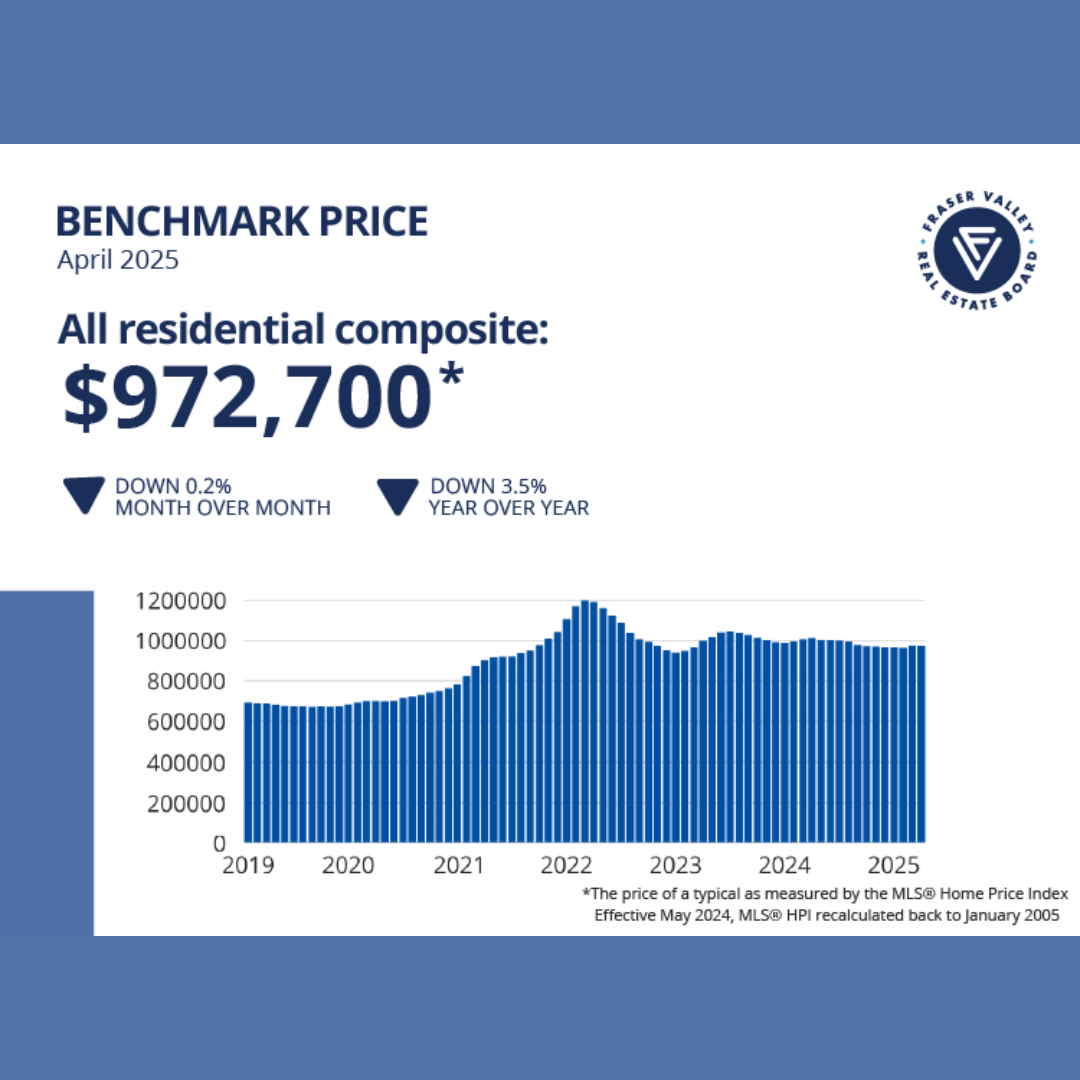
In places like the Fraser Valley, this is painfully obvious. Many homeowners have benefited from appreciation, including people working in real estate. But our children now face a market where even modest homes can feel permanently out of reach. That is not a sign of success. It is a sign of imbalance.
How Government Policy Contributed
This problem was not created by one government, one party, or one policy. It developed over decades. But the 2015–2025 period worsened the imbalance.
The federal government pursued rapid population growth while housing supply, infrastructure, health care, schools, transportation, and business investment failed to keep up. At the same time, Canada struggled to attract enough productivity-enhancing investment.
Resource development became slower, more uncertain, and more politically contentious. Oil, gas, mining, forestry, LNG, electricity transmission, ports, rail, and major infrastructure are all areas where Canada should have a natural advantage. These sectors can produce high wages, exports, tax revenue, and productivity. Instead, too many projects became trapped in regulatory delay, political uncertainty, or investor hesitation.
Environmental responsibility matters. But responsible development is not the same as no development. A country with Canada’s resources should be able to build, export, and innovate while maintaining high environmental standards.
Instead, Canada too often created a business climate in which housing speculation seemed safer than productive investment.
Where We Are Headed
The next few years will likely be a transition period.
Housing is unlikely to become truly affordable quickly. Prices may stagnate or decline in real terms, especially if incomes rise slowly and inflation continues to erode purchasing power. Some rental pressure may ease as growth in temporary residents slows, but ownership affordability will remain strained unless supply increases dramatically.
The condo market, especially in Toronto and Vancouver, may remain under pressure because many projects no longer work financially at today’s construction costs, interest rates, development charges, and presale conditions. That creates a dangerous situation: weak sales today can mean less housing supply several years from now.
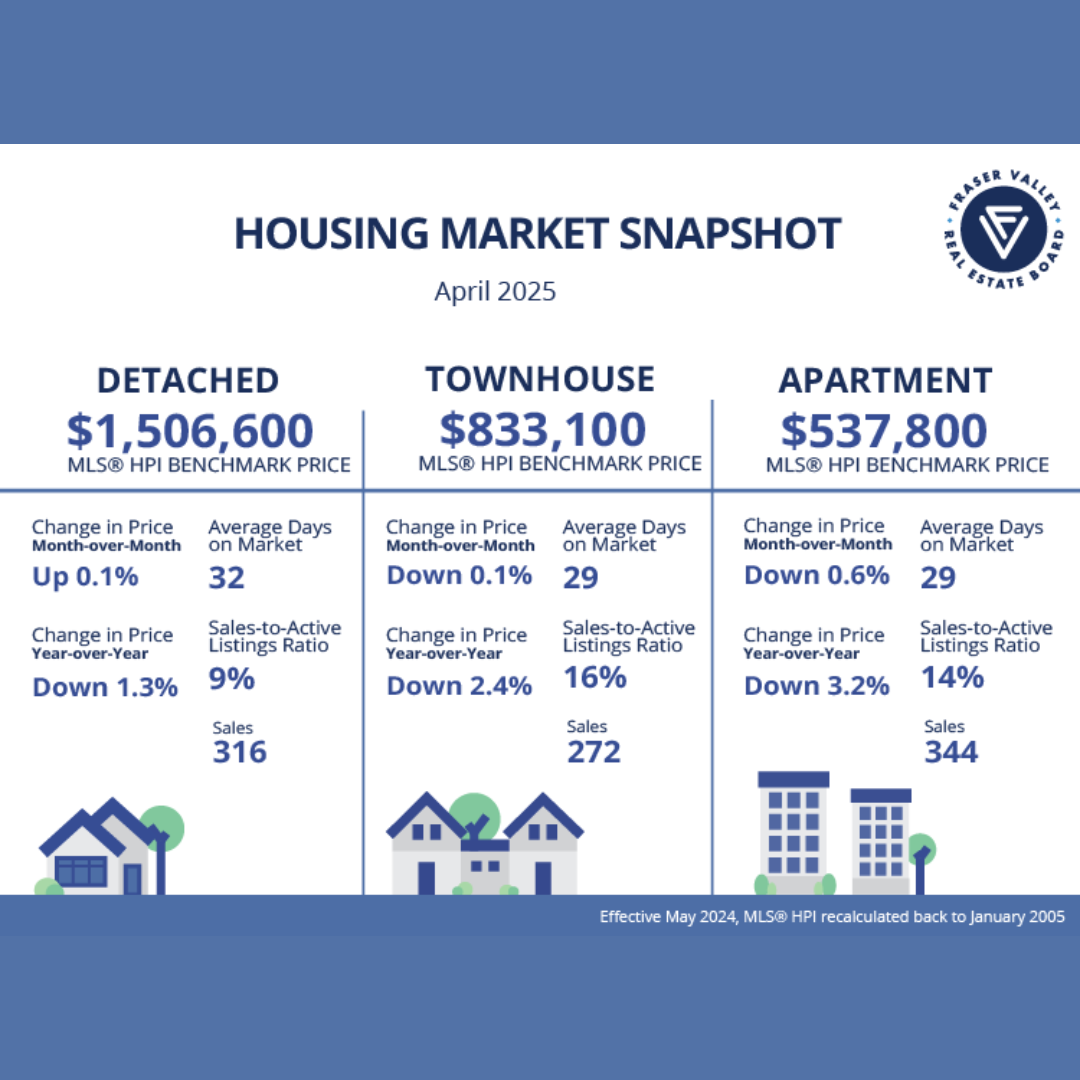
Detached homes in desirable family-oriented communities may remain relatively scarce, even if the broader market softens. That means the affordability challenge for families may persist unless we build more ground-oriented, family-suitable housing: townhomes, multiplexes, row homes, small-lot detached homes, and mid-rise communities near schools, parks, and transit.
On productivity, the timeline is even longer. If Canada begins making better decisions now, the benefits may not be obvious for five to ten years. Business investment, infrastructure, energy projects, housing reform, and productivity growth all take time. There is no quick fix.
The hopeful sign is that the national conversation has shifted. More policymakers now recognize that Canada cannot rely forever on population growth, housing inflation, and government spending. The country needs investment, exports, innovation, and higher output per worker.
But recognizing the problem is not the same as solving it.
What Needs to Change
Canada needs a new economic bargain.
First, we need to build far more housing. Not just luxury condos. Not just subsidized housing. We need an abundant supply of market housing, rental housing, family housing, senior housing, and entry-level ownership options. Municipal approval timelines need to shrink. Zoning must allow more homes in established neighbourhoods. Development charges need to be reformed so that new housing does not bear an impossible share of infrastructure costs.
Second, immigration must be tied to capacity. Canada should welcome newcomers, but population growth must be aligned with housing completions, health-care capacity, infrastructure, and labour market needs. Immigration policy cannot be treated as a substitute for productivity policy.
Third, we need to make productive investment more attractive than passive real estate speculation. That means encouraging investment in equipment, technology, energy, manufacturing, logistics, resource development, and Canadian businesses that can scale globally.
Fourth, Canada needs to responsibly develop its natural resources. Oil, gas, mining, forestry, hydro, LNG, critical minerals, and energy infrastructure should not be treated as embarrassments. They are strategic advantages. The goal should not be reckless extraction; it should be world-class, responsible development that creates wealth, exports, and high-paying jobs.
Fifth, governments need to stop relying on rising home prices as a hidden economic strategy. Expensive housing makes existing owners feel wealthier, but it weakens the next generation. A society cannot call itself successful if young families cannot afford to live where they grew up.
The Role of Real Estate Professionals
Those of us in real estate need to be honest about this. Many of us have benefited from the system. Rising prices created equity, commissions, investment opportunities, and client wealth.
But we should not confuse personal benefit with social health.
A functional real estate market should help people move, form families, build stability, and participate in their communities. It should not become a machine that transfers wealth from younger households to older asset owners indefinitely.
Rebalancing the market does not require cheering for a crash. A crash would hurt families, damage the banking system, and create its own injustice. What Canada needs is a long period where incomes grow faster than home prices, housing supply expands, infrastructure catches up, and capital flows back toward productive enterprise.
That will feel uncomfortable for some investors. But it would be healthier for the country.
Conclusion
Canada’s economic challenge is not that we lack potential. It is that we have misallocated too much of our potential.
We turned housing into the primary wealth engine. We grew the population faster than our capacity could accommodate. We underbuilt homes and infrastructure. We made the productive investment too difficult. We allowed real estate gains to mask weak productivity.
The solution is not anti-immigration, anti-development, anti-environment, or anti-homeowner. The solution is balance.
Canada needs more homes, more infrastructure, more productive investment, more responsible resource development, and more economic growth per person—not just more people competing for the same limited housing supply.
The goal should be simple: a country where hard work leads to rising living standards, where young families can afford a home, where businesses want to invest, and where prosperity is built by creating value rather than merely bidding up land.
That is the Canada worth rebuilding.